Use this page to explore the main activities involved in biodiversity genomics research. Selecting an activity will display the policy areas and guidance checkpoints that apply to it, helping you understand what to consider for compliance and good practice throughout your project.

Terrestrial and freshwater sampling
The work-flow for collecting fresh organisms from terrestrial territories, including rivers, and lakes. It involves the steps:selecting species and locations,applying for permits, and the collection strategy.
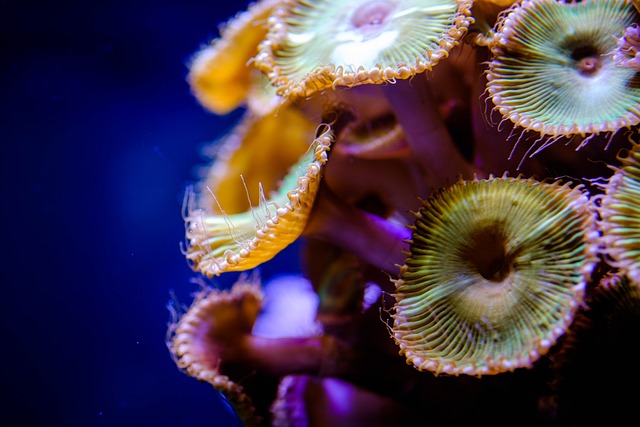
Marine sampling
The work-flow for collecting fresh organisms from marine territories. It involves the steps:selecting species and locations, applying for permits, and the collection strategy
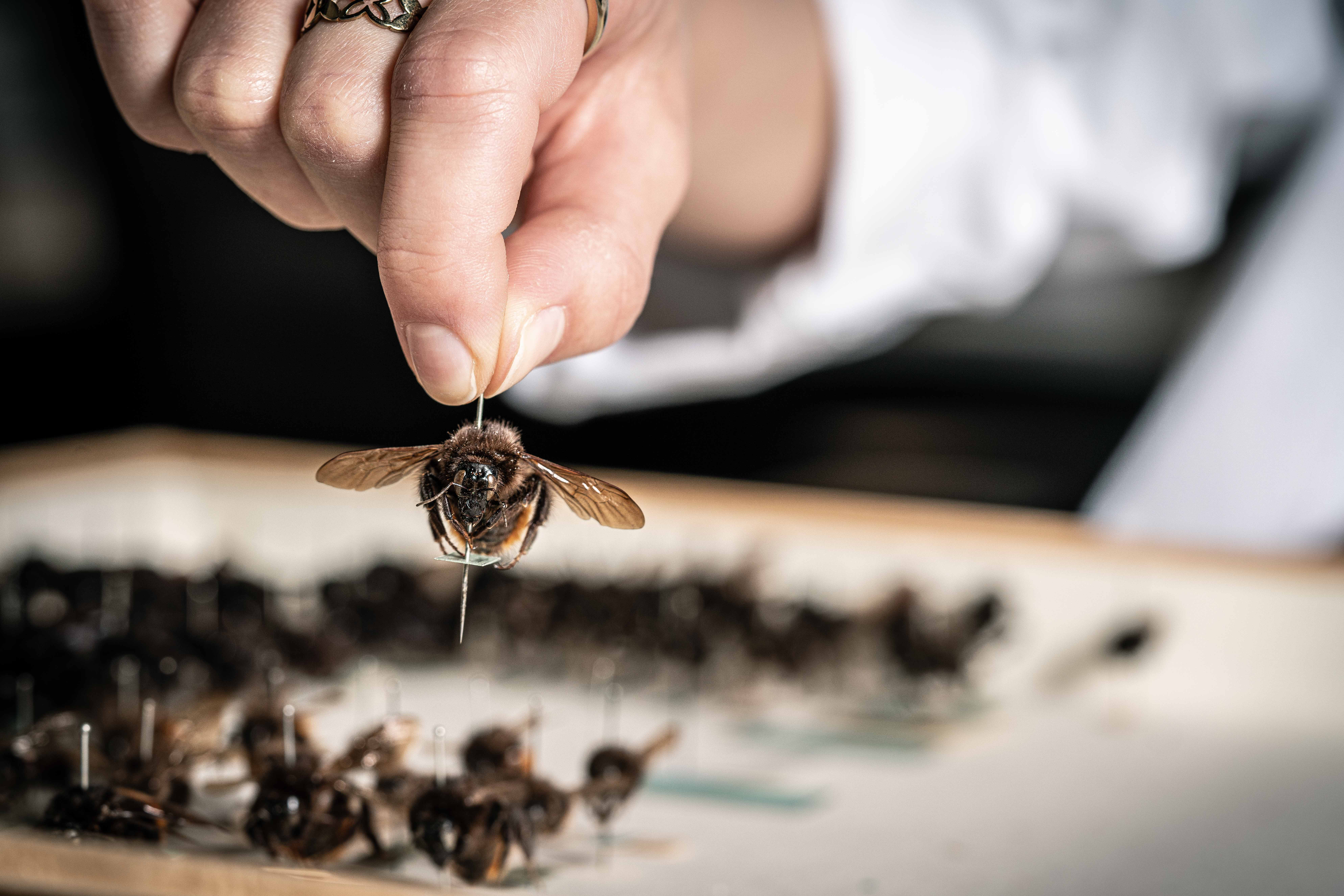
Sampling in ex situ collections
Refers to sampling specimens being held at an institution (e.g. museum, university, etc.). It involves the steps: selecting species and locations applying for permits, and the collection strategy
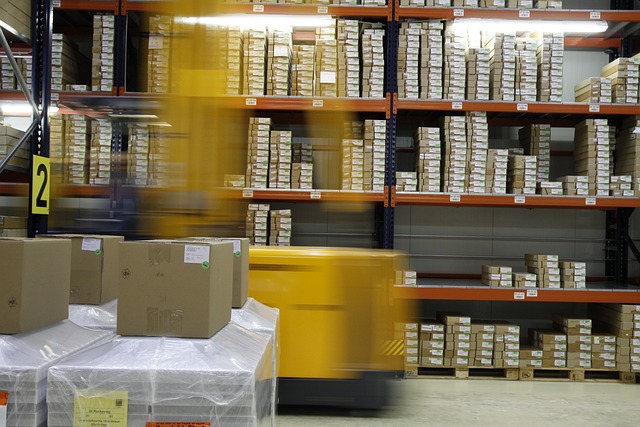
Shipping of genetic resources
The workflow for transporting samples from one geographical location to another
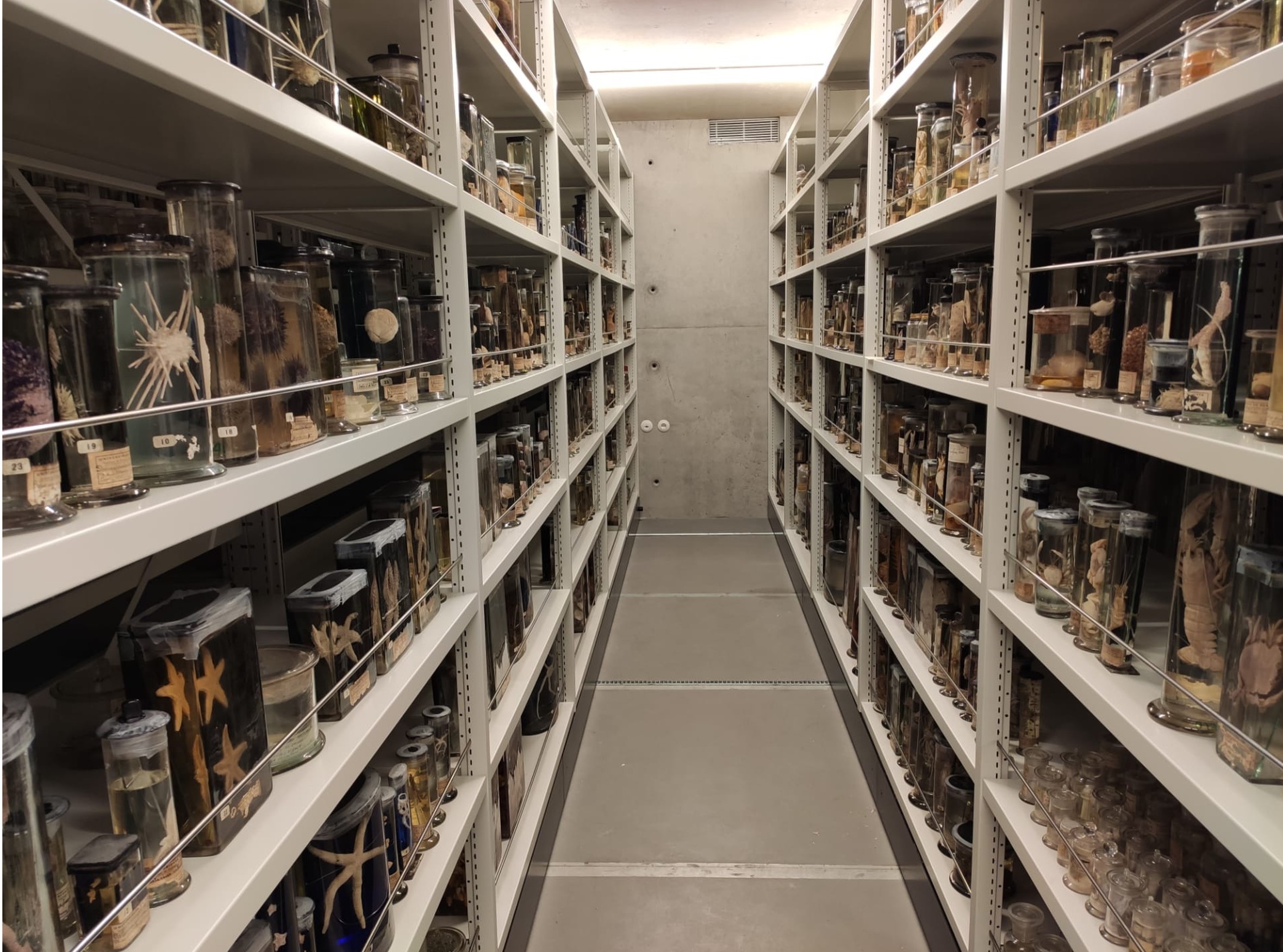
Specimen vouchering and biobanking
Preserving reference specimens and associated biological materials in trusted collections with metadata for long-term traceability and reuse.

Genomic data sharing and publication
This workflow describes the act of data publishing (also data publication) where research data is released in published form for reuse by others.
Disposal of samples
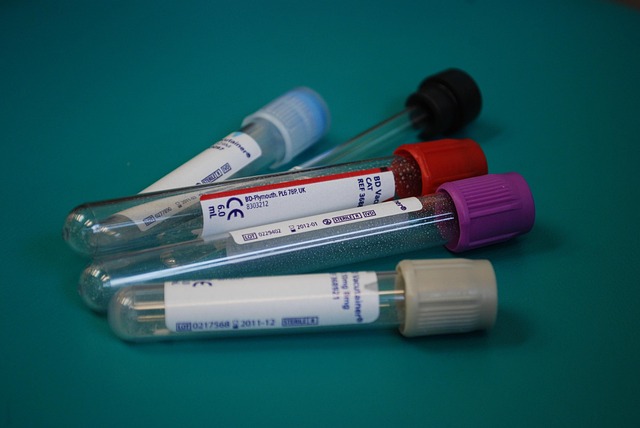
This workflow describes the action or process of getting rid of a sample.
Specimen transfer of ownership
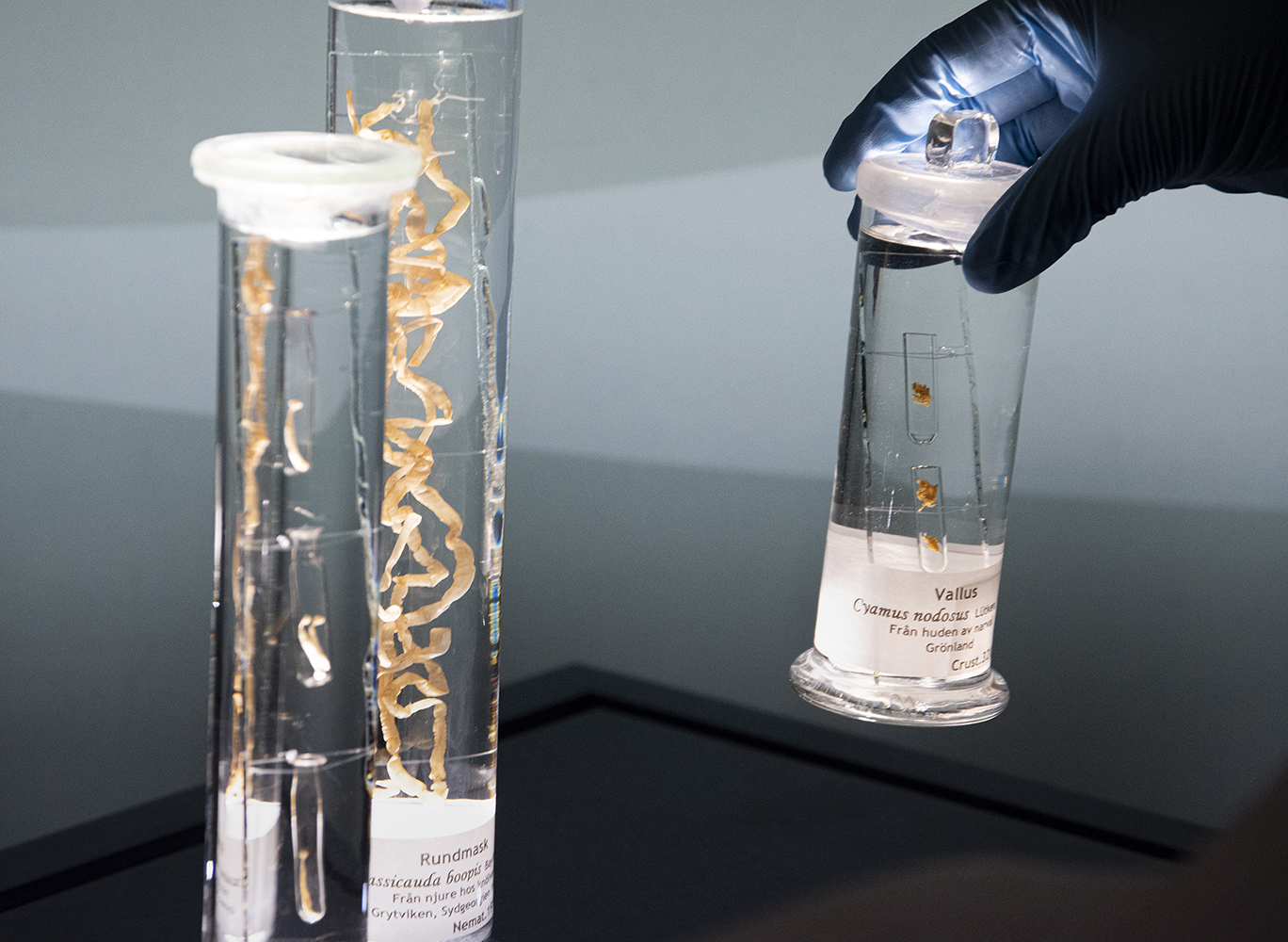
The formal process in which legal and custodial rights to a specimen are reassigned from one institution or individual to another.
Specimen loan/temporary transfer
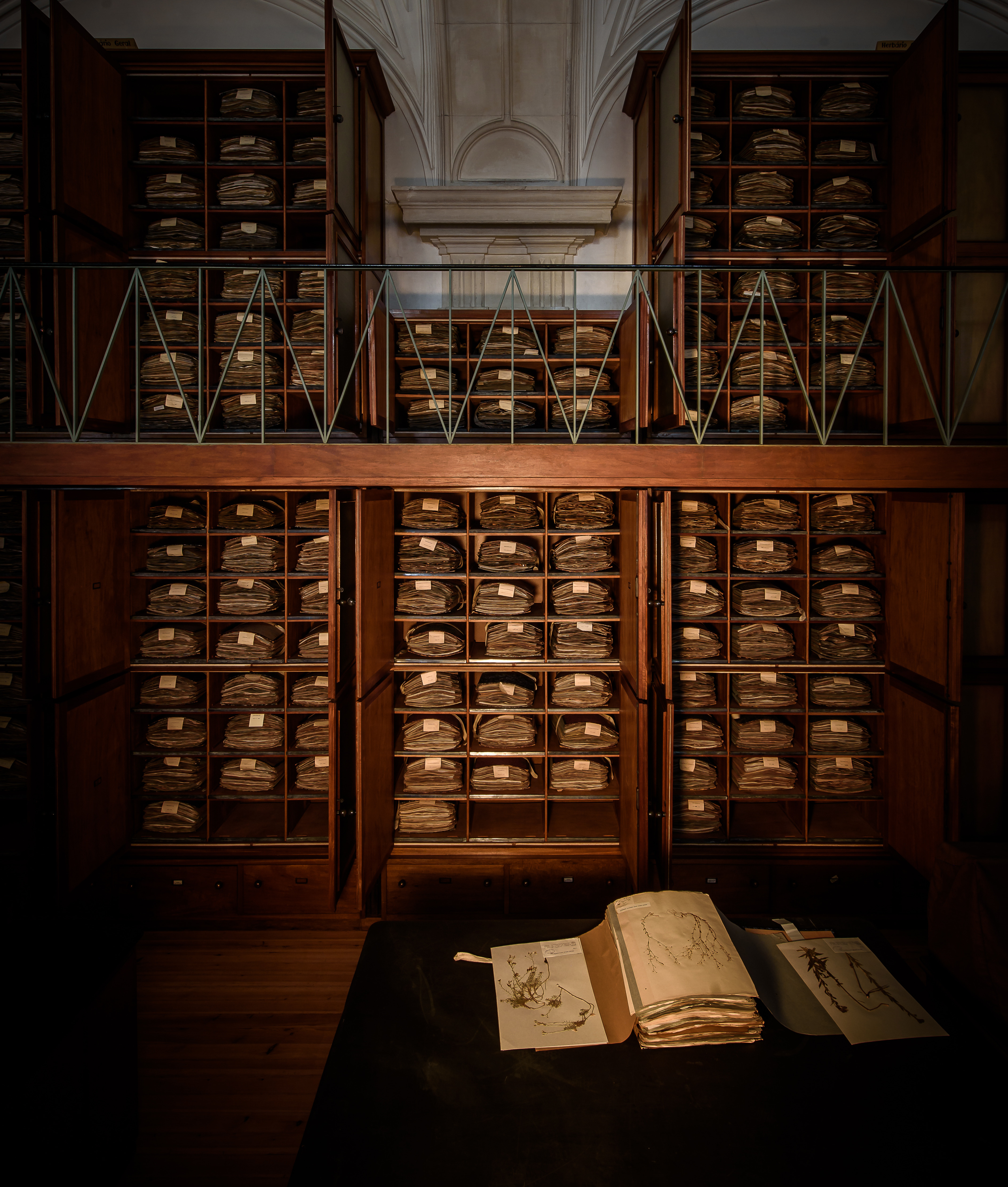
The formal process of moving a specimen from one custodian to another, either permanently (ownership transfer) or temporarily (loan), under agreed terms and documentation.
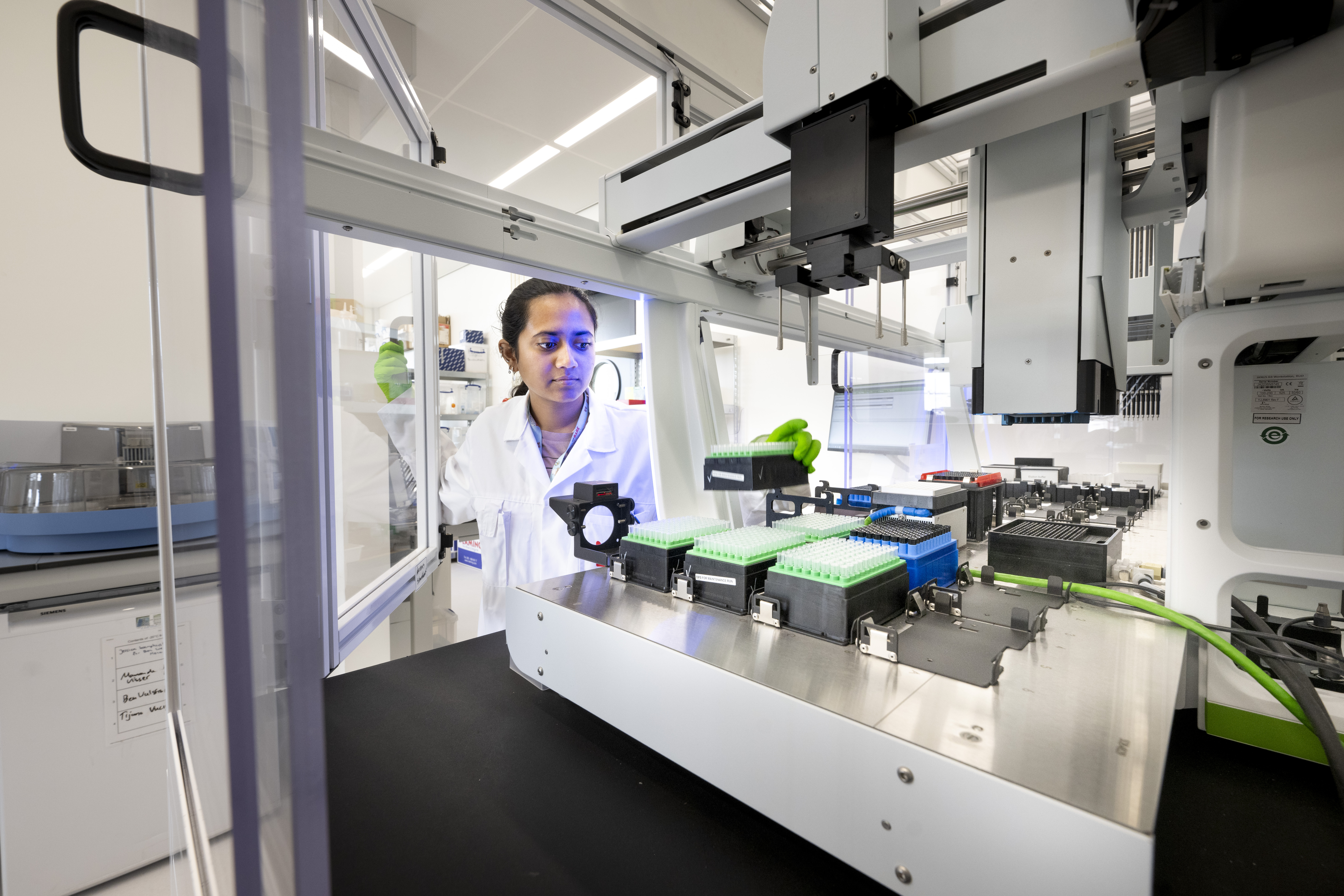
Genetic sequencing
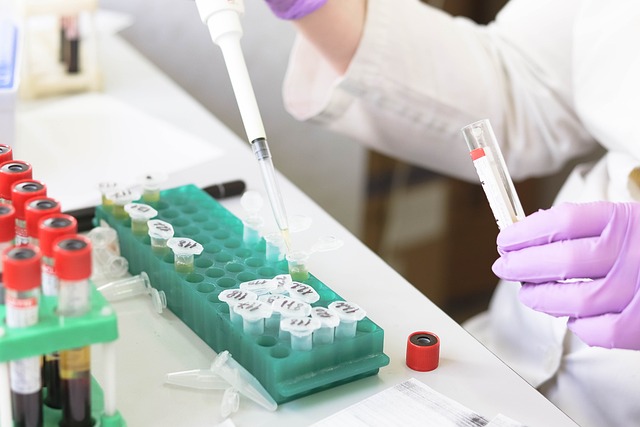
A laboratory method that is used to determine the entire genetic makeup of a specific organism or cell type. This method Can be used to examine the genetic architecture of a species, examine the species at a population level, and can also be used to mak
DNA barcoding
This workflow describes DNA barcoding. Which is a method of specimen identification using short, standardized segments of DNA.