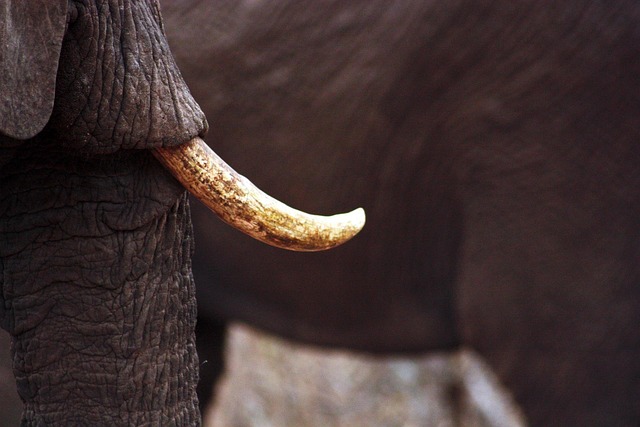
CITES (the Convention on International Trade in Endangered Species of Wild Fauna and Flora) is an international agreement between governments. Its aim is to ensure that international trade in specimens of wild animals and plants does not threaten the survival of the species.
The work-flow for collecting fresh organisms from terrestrial territories, including rivers, and lakes. It involves the steps:selecting species and locations,applying for permits, and the collection strategy.
The work-flow for collecting fresh organisms from marine territories. It involves the steps:selecting species and locations, applying for permits, and the collection strategy
The workflow for transporting samples from one geographical location to another
This workflow describes the action or process of getting rid of a sample.
The Biodiversity Beyond National Jurisdiction (BBNJ) Agreement is a UN treaty to protect marine biodiversity in international waters. Adopted in 2023, it covers areas like marine genetic resources and environmental impact assessments. It is not yet in force, but will take effect once 60 countries ratify it.
The EU Animal By-Products Regulation (EC No. 1069/2009) governs how animal materials not intended for human consumption, including carcasses, tissues, and specimens are collected, transported, used, and disposed of, in order to prevent risks to public and animal health.
This workflow describes the action or process of getting rid of a sample.
The EU’s framework for managing fisheries sustainably. It sets rules on catch limits, fleet capacity, and conservation to ensure fish stocks are used responsibly while protecting marine ecosystems and supporting fishing communities.
Refers to conservation laws around the protection of organisms and habitats at Global and National level and in the framework at the EU Nature Directives. The EU Nature Directives include the Habitats Directive (Council Directive 92/43/EEC) and the Birds Directive. EU Directives are set of goals and EU members are free to reach them via own national laws The Habitat Directive requires all EU Member States to establish a strict protection regime for species listed in Annex IV, both inside and outside Natura 2000 sites (https://environment.ec.europa.eu/topics/nature-and-biodiversity/habitats-directive_en). It also includes the Convention on the Conservation of Migratory Species of Wild Animals (CMS).
The work-flow for collecting fresh organisms from terrestrial territories, including rivers, and lakes. It involves the steps:selecting species and locations,applying for permits, and the collection strategy.
The work-flow for collecting fresh organisms from marine territories. It involves the steps:selecting species and locations, applying for permits, and the collection strategy
The workflow for transporting samples from one geographical location to another
This regulation bans leghold traps in the EU and prohibits imports of pelts and related goods from countries using such traps or failing to meet international humane trapping standards (Commission Decision 98/596/EC)

The EU Regulation on the Prevention and Management of the Introduction and Spread of Invasive Alien Species (IAS), formally known as Regulation (EU) No 1143/2014, came into force in January 2015. It aims to prevent, minimise, and mitigate the adverse impacts of invasive.
The workflow for transporting samples from one geographical location to another
This workflow describes the action or process of getting rid of a sample.
A key environmental policy aiming to achieve Good Environmental Status of EU marine waters by promoting sustainable use and protecting marine ecosystems. It requires Member States to monitor, assess, and manage human impacts on the marine environment.
Regulation 2016/2031. Its sets rules to protect the EU from harmful organisms (pests) that can affect plants. These include plants and plant products brought into the EU from non-EU countries.
The workflow for transporting samples from one geographical location to another
The EU Waste Framework Directive (2008/98/EC) sets out how waste should be properly managed across the EU
This workflow describes the action or process of getting rid of a sample.
A UN international treaty that defines nations' rights and responsibilities in the world's oceans, including maritime zones, navigation, resource use, and environmental protection.