Before conducting your field sampling you should check to see if you have legal obligation under the Nagoya Protocol/ABS regulations. Non-Compliance could lead to penalties, and the inability to publish or use research results. Every country (including each EU Member State) has sovereignty to decide if and how they regulate access to their genetic resources, it means that the ABS regulations could be (and are) different in every country.
ABS stands for Access and Benefit - Sharing. Access means requesting a permit to collect and utilise genetic resources (in-situ and ex-situ resources), and Benefits-Sharing means giving something back to the country where the material comes from.
The Convention on Biological Diversity (CBD), entered into force in December 1993. The CBD recognises that countries have sovereign rights over their natural resources, and its ‘third’ objective is the fair and equitable sharing of benefits arising from the utilisation of genetic resources, it means, between the users of genetic resources (commercial and non-commercial) and the countries providing those resources.
The Nagoya Protocol, which entered into force on the 12th October 2014, is a further supplementary agreement that aims to provide a clear, transparent and non-arbitrary international framework to implement the ‘third’ objective of the CBD. In other words, the Nagoya Protocol is the international framework for ABS and compliance. In the Annex of the Protocol, you can find examples of non-monetary and monetary benefits that could be shared from the utilisation of genetic resources and/or traditional knowledge of indigenous people and local communities associated with genetic resources. The ABS measures may cover genetic resources that are acquired in situ (from their natural origin in a country) and ex situ (meaning genetic resources that may be stored in an institute that is not in the country where it originally came from, or even if you buy them in the store).
Before checking your ABS responsibilities, it helps to understand these commonly used terms:
Prior Informed Consent (PIC)
Permission from the provider country (usually through a national authority) to access its genetic resources. This must be obtained before collecting or using the material.
Mutually Agreed Terms (MAT)
A legally binding agreement between the user and the provider country, outlining how the material may be used and how benefits will be shared (e.g. co-authorship, sharing results, royalties).
Material Transfer Agreement (MTA)
Material Transfer Agreements (MTAs) are legal documents that set the terms for transferring biological materials—such as specimens or genetic samples—between organizations. They define the rights, responsibilities, and conditions related to the material’s use, including legal, ethical, and institutional obligations.
MTAs are essential for:
Ensuring proper credit and acknowledgment in research outcomes
Protecting ownership, intellectual property, and access to benefits
Defining the nature and conditions of the transfer
Clarifying liability and responsibility in case of misuse or loss
Complying with legal, ethical, and funding requirements (e.g., BGE project standards)
Digital Sequence Information (DSI)
Refers to digital genetic data such as DNA, RNA, or protein sequences. DSI is not currently regulated under the EU ABS Regulation, but some provider countries do consider it part of their ABS requirements. Always check local rules via the ABS Clearing-House.
DECLARE
The EU’s online platform for submitting due diligence declarations under the ABS Regulation, required when conducting research on ABS regulated genetic material, especially if using EU funding.
A is for access
Each country decides if they regulate access to their genetic resources and how. NOT implemented at EU Level – each Member State has the right to decide. Provider countries may request a prior informed consent (PIC) – it means asking for permission first. The ABS National Focal Points should provide information on the country’s ABS rules and procedures.
B is for Benefit-sharing
Benefit-sharing is based on mutually agreed terms (MAT) between the provider country and the user. Benefits could be monetary or non-monetary.
C is for compliance
Measures to control that the material, utilised within its jurisdiction, have been accessed legally. Compliance obligations are determined at the EU level though the Regulation (EU) No 511/2014. It establishes the framework for member states on obligations for users of genetic resources within the EU.
The EU Regulation 511/2014 on compliance measures for users of genetic resources and associated traditional knowledge, establishes rules governing compliance with ABS in accordance with the provisions of the Nagoya Protocol.The EU ABS Regulations defines “utilisation” as conducting research and development on the genetic and/or biochemical composition of genetic resources.
To determine whether you have compliance obligations under the EU ABS Regulation, these are the elements that need to be considered.
EU member states may have additional and stricter laws on access to genetic resources than what is stated in the EU Regulation on ABS.
The questions and resources below will help you determine whether your research is within scope of the EU ABS Regulation. If you answer yes to all the questions directly below (in the table), your research is considered ‘in scope’ of the EU ABS Regulation and must comply with the legal obligations under the EU, as the due diligence declaration.
Keep in mind that even though your research may be out of the scope of the EU ABS Regulation, it may be within the scope of the national ABS legislation of the provider country and you must comply with it.
To check if you are within the scope of the EU ABS regulation, answer the following questions. If you answer “yes” to all questions, then your research is within the scope of the EU ABS regulation:
Does the material contain DNA/RNA/Derivatives?
INCLUDES:
Any material of plant, animal, microbial or other (non-human) origin containing functional units of heredity i.e. genes. ABS covers all biological material that contains DNA/RNA (dead or alive) and collected within a country's national jurisdiction.
Derivatives naturally occurring biochemical compounds resulting from the genetic expression of metabolism, even if it does not contain functional units of heredity. Some examples are: proteins (including enzymes), lipids, organic compounds (e.g. essential oils or resin) and other products of metabolism.
EXCLUDES:
Human DNA (human pathogens & microbiome are in the scope),
Plant genetic resources under the ITPGRFA*
Influenza strains under the Pandemic Influenza Preparedness (PIP) Framework.
Are you doing research on the genetic and/or biochemical composition of the material?
Some examples:
IN SCOPE
Research on specific genetic or biochemical properties
Gene function
Gene expression
Gene modification
Genome editing
Breeding based on traits and their associated genes
Others
OUT OF SCOPE
The EU Regulation does not apply when research does not involve the study of the genetic or biochemical composition, e.g:
storing biological materials in a collection
mere culturing of organisms
taxonomic identification
morphological or anatomical characterization
others
Was the material originally obtained on or after the 12th October 2014?
Material originally obtained on or after the 12 October 2014, when the Nagoya Protocol came into force. You should consider the collection date for samples obtained from ex-situ collections, from shops, from other institutions, etc.
However, in some countries “access” can also mean the moment when you receive material from an ex-situ collection or even when you start to use it (even if it was collected and left the provider country long ago).
(Note: there are some countries that have ABS rules in place before the Nagoya Protocol entered into force, and you must comply with them even if your research is out of the scope of the EU Regulation..).
Is the provider country a Nagoya Protocol Party and has ABS measures in place at the time of access?
You can find this information checking the ABS Clearing House (ABSCH)
Be careful though. This information is not always complete or up to date. Some countries have ABS laws but they are not published on the ABSCH.
To play safe and ensure legal clarity, contact the ABS national focal point and/or the competent national authority.
NOTE The provider country is the country where the material originally comes from or where you will be sampling.
You can check the provider country ABS profile in the ABS clearing house (ABSCH). There you may find the contact details for the National Focal Points (NFPs) for each country and information on the ABS regulations and process.
Keep in mind this information is not always complete or up to date. Some countries have ABS laws but those are not published on the ABSCH.
To play safe and ensure legal clarity, contact the ABS national focal point and/or the competent national authority.
Some countries, that are not Parties to the Nagoya Protocol, regulate access to their genetic resources and you must comply with their national legislation, even though your research is out of the scope of the EU ABS Regulation.
Some countries established ABS measures and procedures before the Nagoya Protocol entered into force in 2014.
Some EU member states do regulate access to their genetic resources and you must be aware of it and follow their ABS procedures.
ABS regulations may (and do) differ from country to country, even in the EU.The scope of the National ABS regulations in provider countries may be broader than the scope of the EU ABS Regulation. E.g. Taxonomy is within the scope of many national ABS legislations.
Before starting the ABS process, it would be key to prepare yourself for it. The ABS Strategy checklist may be useful for that.
Users should contact the ABS National Focal Point (NFP) or Competent National Authority (CNA) to obtain prior informed consent and corresponding ABS permits as soon as possible, prior to conducting your fieldwork. You will find the contact information of the NFPs in the ABS clearing house: (https://absch.cbd.int/en/),
As a user you must inform the CNA fully about your planned sampling and utilisation of the genetic resources (including the passing of samples to third-parties). Depending on the national legislation in the country, it may also be necessary to involve other interested parties such as Indigenous Peoples and local communities in the ABS process. The ABS processes are different in different countries. You can check in the ABS-CH for the procedures or ask the necessary steps to the ABS-NFP.
The ABS procedures may include the negotiation of Mutually Agreed Terms (MAT) for benefit-sharing. You should have clarity about what kind of benefits you can commit with the provider country.
At the end of the process you will receive your ABS permit. Take the time to read it and understand all obligations and restrictions it contains. You can request to the CNA an Internationally Recognised Certificate of Compliance (IRCC), issued by the ABS Clearing House upon publication of the ABS permit.
The genetic resources obtained should only be used in accordance with the conditions articulated in the MAT, and you should carefully document the use you make of them.
Seek, keep and transfer information to subsequent users: According to the EU ABS regulation, you must keep all ABS-relevant documentation for 20 years after the utilisation ends (e.g. relevant emails, contracts, ABS permits, MTAs, etc.). Keep an updated list of samples with country and date of collection and the corresponding ABS permit (or rationale why it is out of the scope/emails). Besides that, you should transfer the ABS relevant documentation and information to third parties who receive the material. Prior to any third party transfer you must ensure this is allowed within the conditions of the MAT. Even if allowed, you still must have a paper track of the transfer. Finally, if you are receiving material from a third party you should always ask where the material was obtained from and all associated ABS documentation.
Complete the ABS due diligence declaration on the EU DECLARE platform (DECLARE) - It requires a login. When you get to this point you have done most of the work, as the due diligence obligation exercise is quite easy. It is five questions and is simply entering in the information that you have already accumulated (ABS permits).
Cooperate with the authorities in case of a compliance check. Be prepared: compile all ABS-relevant information, designate a contact person.
Keep in mind important deadlines (e.g. to submit due diligence declarations, when permits are close to expire, to comply with benefit sharing obligations, others).
Report benefits shared to the authorities in provider countries and mention ABS permits in scientific publications.
Below are the references used to for writing the checkpoints, and are good resource starting points. Please also see the resource hub for more resources.
Convention on Biological Diversity (n.d.). ABS Factsheet: Frequently Asked Questions. Available at: https://www.cbd.int/doc/programmes/abs/factsheets/abs-factsheet-faqs-en.pdf
Consortium of European Taxonomic Facilities (CETAF) ( 2019). Code of Conduct & Best Practice for Access and Benefit‑Sharing [Leaflet]. Available at: https://www.cetaf.org/wp-content/uploads/
Consortium of European Taxonomic Facilities (CETAF) (2019). CETAF Code of Conduct and Best Practices. Available at: https://cetaf.org/wp-content/uploads/CETAF_Code-of-Conduct-and-Best-Practices_UK-final-version.pdf
European Parliament and Council of the European Union (2014). Regulation (EU) No 511/2014 of 16 April 2014 on compliance measures for users under the Nagoya Protocol (text with EEA relevance) [Regulation]. Official Journal of the European Union L 150, pp. 59–71. Available at: https://eur-lex.europa.eu/legal-content/EN/TXT/?uri=CELEX:32014R0511 (Accessed: 28 August 2025).
European Commission (2014). Nagoya Protocol: Questions and Answers [Press Release]. Available at: https://ec.europa.eu/commission/presscorner/detail/en/memo_14_411
European Commission (2021). Guidance document on the scope of application and core obligations of Regulation (EU) No 511/2014 of the European Parliament and of the Council on the compliance measures for users from the Nagoya Protocol on Access to Genetic Resources and the Fair and Equitable Sharing of Benefits Arising from their Utilisation in the Union (2021/C 13/01). Official Journal of the European Union C 13, pp. 1–22. Available at: https://eur-lex.europa.eu/legal-content/EN/TXT/?uri=uriserv%3AOJ.C_.2021.013.01.0001.01.ENG&toc=OJ%3AC%3A2021%3A013%3ATOC
Nagoya Protocol Compliance Self-Assessment Tool (n.d.). Self-Assessment Tool for ABS Compliance in Organizations. Available at: https://nagoyaprotocol.myspecies.info/content/self-assessment-tool-abs-compliance-organizations
Nagoya Protocol Hub (n.d.). Homepage. Available at: https://nagoyaprotocol-hub.de/
Rochette, N.C., et al. (2023). Global survey of biodiversity access and benefit sharing awareness and capacity. bioRxiv. Available at: https://www.biorxiv.org/content/10.1101/2023.06.28.546652v4
Scarlett Sett & Dirk Neumann (2023). Biodiversity Genomics workshop on ABS Training Materials: Training Videos (1 & 2) and Presentations [Videos 1, Video 2 and presentation slides]. BGE Project.
Secretariat of the Convention on Biological Diversity (2010). Introduction to Access and Benefit‑Sharing (ABS) [Brochure]. Available at: https://www.cbd.int/abs/infokit/brochure-en.pdf (Accessed: 28 August 2025).

When using AI tools (e.g. ChatGPT or other large language models) in research, publication, or data processing, clearly state their use in your methodology or acknowledgements. AI-generated content or assistance should not be presented as original human-authored work without disclosure.
Under the EU AI Act (2024) AI systems used in scientific research must follow transparency obligations. This includes declaring AI use in content creation, ensuring human oversight, and avoiding misleading or biased outputs.
Avoid using AI to make autonomous decisions about individuals, species classifications, access permissions, or ethical compliance. Please make sure when using AI tools that you maintain oversight, especially where decisions may affect people, conservation priorities, or legal obligations.
Add resource: https://digital-strategy.ec.europa.eu/en/policies/regulatory-framework-ai
Do not input personal data, confidential information, or sensitive species data into generative AI tools, unless the tool complies with your institution’s data protection rules. This aligns with the EU General Data Protection Regulation (GDPR), which restricts how personal data is processed and transferred, including through AI.
Add resource: https://digital-strategy.ec.europa.eu/en/policies/regulatory-framework-ai
Add GDPR resource.
European Commission (n.d.). Regulatory Framework for Artificial Intelligence. Available at: https://digital-strategy.ec.europa.eu/en/policies/regulatory-framework-ai
European Parliament and Council of the European Union (2024). Regulation (EU) 2024/1689 of 13 June 2024 laying down harmonised rules on artificial intelligence and amending Regulations (EC) No 300/2008, (EU) No 167/2013, (EU) No 168/2013, (EU) 2018/858, (EU) 2018/1139 and (EU) 2019/2144 and Directives 2014/90/EU, (EU) 2016/797 and (EU) 2020/1828 (Artificial Intelligence Act) [Regulation]. Official Journal of the European Union L 202, pp. 1–266. Available at: https://eur-lex.europa.eu/legal-content/EN/TXT/?uri=CELEX%3A32024R1689
European Parliament and Council of the European Union (2016). Regulation (EU) 2016/679 of 27 April 2016 on the protection of natural persons with regard to the processing of personal data and on the free movement of such data, and repealing Directive 95/46/EC (General Data Protection Regulation) [Regulation]. Official Journal of the European Union L 119, pp. 1–88. Available at: https://eur-lex.europa.eu/eli/reg/2016/679/oj/eng
If you are a team leader, as part of your fieldwork/sampling planning please review your institution's cultural and ethnic equality strategy, diversity & inclusion policy, or similar guidance, ensure your activity aligns with it. If not refer to the EU legislation combating racial or ethnic discrimination. See check point 3 for references
Activity leaders should proactively identify and remove any barriers that could prevent individuals from diverse cultural or ethnic backgrounds from fully participating in the activity. Consider practical and cultural barriers that may arise during fieldwork (e.g. shared accommodations, dietary restrictions, local customs, or access to safety equipment and training). Foster a team culture of respectful communication, cultural sensitivity, and openness to diverse perspectives. Where local communities or Indigenous groups may be indirectly affected (e.g. by sampling near cultural sights or sampling species that are culturally significant to local communities), respectful engagement should be prioritised.
European Commission (n.d.). EU Legislation Combating Racial or Ethnic Discrimination. Available at: https://commission.europa.eu/strategy-and-policy/policies/justice-and-fundamental-rights/combatting-discrimination/tackling-discrimination/eu-legislation-combating-racial-or-ethnic-discrimination_en
European Commission (2020). EU Anti-Racism Action Plan 2020–2025. Available at: https://commission.europa.eu/strategy-and-policy/policies/justice-and-fundamental-rights/combatting-discrimination/racism-and-xenophobia/eu-anti-racism-action-plan-2020-2025_en

If you are team leader, in sufficient advance, before the sampling/fieldwork begins, inform all participants (e.g. volunteers, professionals, or local collaborators) about what the activity entails. For example:
The activity’s purpose and objectives
Duration and working conditions
Methods, tools, and roles involved
Health and safety risks
Any compensation, benefits, expectations, or insurance coverage provided by the institution under which the work is conducted, if applicable.
Make sure that participants have time to ask questions and decide freely whether to participate.
If the activity involves fieldwork, physical risk, or external collaboration, use a written consent form that outlines the key details. The form should be:
Provided in advance
Signed voluntarily
Retained for documentation (especially in EU-funded or ethics-reviewed projects).
If your institution has official protocols for providing informed consent, then please follow them.
If your activity involves children then you must obtain written informed consent forms for their parents or legal guardian.
Need to be added
Before starting your sampling activity, make sure you are aware of the institutional, national, and EU health and safety regulations that apply to your work environment (i.e. the field, lab, or museum collection space). If you are working abroad or collaborating with teams from other countries, check for local differences. Also if you are a team leader and working with participants that are external or from other countries make sure they are aware rules apply to your local situation.
See check point 3 for references
Every physical activity carries potential risk (e.g. sampling specimens, especially if they are alive, handling chemicals, transporting equipment). You should carry out a risk assessment or review one if it already exists, in line with the national, EU, or institutions or project policies. This will help plan for hazards like exposure to extreme environments, wildlife, infectious diseases or heavy lifting.
Make sure everyone in your team knows the basic safety plan. For example what to do in an emergency, what gear is needed, and who to contact if something goes wrong.
Also you may need to carry out a risk assessment in terms of your sampling activity on the environment. Please check out the policy components under Protection of natural assets.
Council of the European Communities (1989). Council Directive 89/391/EEC of 12 June 1989 on the introduction of measures to encourage improvements in the safety and health of workers at work [Directive]. Official Journal of the European Communities L 183, pp. 1–8. Available at: https://eur-lex.europa.eu/legal-content/EN/ALL/?uri=celex%3A31989L0391
European Parliament and Council of the European Union (2000). Directive 2000/54/EC of the European Parliament and of the Council of 18 September 2000 on the protection of workers from risks related to exposure to biological agents at work [Directive]. Official Journal of the European Communities L 262, pp. 21–45. Available at: https://eur-lex.europa.eu/eli/dir/2000/54/oj/eng
European Parliament and Council of the European Union (1998). Directive 98/24/EC of 7 April 1998 on the protection of the health and safety of workers from the risks related to chemical agents at work [Directive]. Official Journal of the European Communities L 131, pp. 11–23. Available at: https://eur-lex.europa.eu/eli/dir/1998/24/oj/eng
Council of the European Communities (1990). Council Directive 90/269/EEC of 29 May 1990 on the minimum health and safety requirements for the manual handling of loads where there is a risk particularly of back injury to workers [Directive]. Official Journal of the European Communities L 156, pp. 9–13. Available at: https://eur-lex.europa.eu/eli/dir/1990/269/oj/eng
Check if your institution has a Gender Equality Plan and follow its guidance on inclusive recruitment, respectful working conditions, and equal access to resources and training.
If no plan is available, please see the EU’s resources on gender equality in research. See check point 3.
Ensure equal opportunities for participation in sampling activities, including leadership and decision-making roles. Strive for gender balance in fieldwork teams, avoiding unconscious bias in how roles are assigned or who is included.
In some EU-funded projects (e.g. Horizon Europe), reporting on gender participation may be required. Track team composition and participation data where relevant.
European Commission (n.d.). Gender Equality Strategy. Available at: https://commission.europa.eu/strategy-and-policy/policies/justice-and-fundamental-rights/gender-equality/gender-equality-strategy_en
Make sure that all paid staff, contractors and collaborators are engaged under conditions that comply with EU law, national labour laws, and institutional policies. This includes fair wages, working hours, contracts, and protections against discrimination or unsafe conditions.
Before your sampling activity begins, assess whether you collect or use any personal data (e.g. Names, contact details, images, audio recordings or any data linked to participants. If so GDPR likely applies. Please refer to your institution's policies for confirmation, also it may contain mandatory consent templates, storage specifications or reporting requirements.
If personal data is involved, make sure your activity follows key GDPR principles including:
Informed consent: Clearly explain how the data will be used, stored, shared, and how the owner can access and request for withdrawal.
Data limitation: only collect what date is necessary.
Purpose limitation: don’t use the data for purposes other than what was agreed
Security: use secure storage (e.g. encrypted drives or approved or approved platforms)
Access control: limit who can view or process the data.
European Parliament and Council of the European Union (2016). Regulation (EU) 2016/679 of 27 April 2016 on the protection of natural persons with regard to the processing of personal data and on the free movement of such data, and repealing Directive 95/46/EC (General Data Protection Regulation) [Regulation]. Official Journal of the European Union L 119, pp. 1–88. Available at: https://eur-lex.europa.eu/eli/reg/2016/679/oj/eng
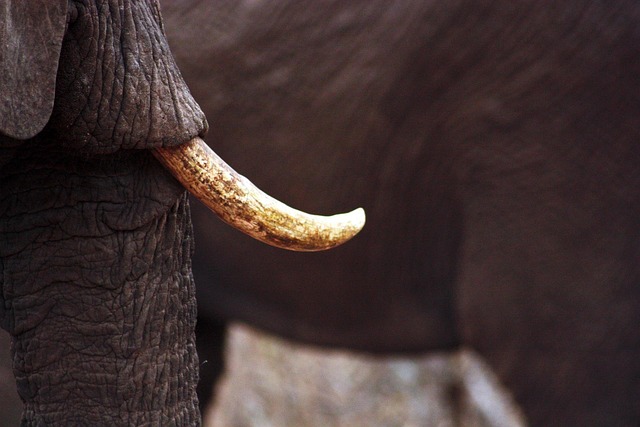
CITES (website) is regulated through the issue and control of export and import permits for a number of clearly defined species listed in three appendices I, II, and III. You can find these appendices on the CITES website (Appendices page) and also the EU Commission Wildlife trade law webpage.. The different appendices require different levels of permissions for export and import. Each nation state who is a party to CITES is responsible for the implementation of CITES in their own legal framework and therefore party’s may have stricter regulations than is codified by CITES. All parties have at least one management authority and one scientific authority.
Points of action:
Please check the EU Trade laws, some countries that you wish to sample from and ship may have stricter rules than others. Please see the EU regulation (Council Decision (EU) 2015/451 of 6 March 2015) listed below, it sets out additions to the CITES Appendix.
Export licenses may not be needed for Scientific institutions that are registered with CITES (See registered institutions on the CITES) website.
Please check the Management Authority of the country that you wish to sample, their contact details can be found on the CITES website.
Below are the references used to for writing the checkpoints, and are good resource starting points. Please also see the resource hub for more resources.
CITES Secretariat (n.d.). Convention on International Trade in Endangered Species of Wild Fauna and Flora (CITES) Homepage. Available at: https://cites.org/eng
European Commission (n.d.). Wildlife Trade. Available at: https://environment.ec.europa.eu/topics/nature-and-biodiversity/wildlife-trade_en
Researchers need to familiarise themselves with local conservation laws if they want to collect. They can do this by obtaining national, regional and local permission.